
The 2000 Greatest Songs of All Time, 1955–2024
...and beyond!
#2000 – #1901
(Please revisit this site periodically as updates will continue until the full list has been presented.)

#2000
"Learning to Fly"
Tom Petty and the Heartbreakers
1991

#1999
"#Beautiful"
Mariah Carey feat. Miguel
2013
#1998
"Circle in the Sand"
Belinda Carlisle
1988

#1997
"Perfect Illusion"
Lady Gaga
2016

#1996
"Dancing in the Flames"
The Weeknd
2024
#1995
"Piano in the Dark"
Brenda Russell ft. Joe Esposito
1988

#1994
"Smile"
Lily Allen
2006

#1993
"Mean"
Taylor Swift
2011

#1992
"California Gurls"
Katy Perry feat. Snoop Dogg
2010
#1991
No More "I Love You's"
Annie Lennox
1995

#1990
"Human"
The Killers
2008
![Burna Boy Last Last [Love, Damini].png](https://static.wixstatic.com/media/07888e_17b1f9e0a45f4280a532ecb80d7d7d77~mv2.png/v1/fill/w_250,h_245,al_c,q_85,usm_0.66_1.00_0.01,enc_avif,quality_auto/Burna%20Boy%20Last%20Last%20%5BLove%2C%20Damini%5D.png)
#1989
"Last Last"
Burna Boy
2022
![Tanita Tikaram Twist in My Sobriety [Ancient Heart].gif](https://static.wixstatic.com/media/07888e_a9dadb7f563e40e29b92703f7ee7baf8~mv2.gif)
#1988
"Twist in My Sobriety"
Tanita Tikaram
1988

#1987
"Talk"
Khalid
2019
#1986
"Sex and Candy"
Marcy Playground
1997
.png)
#1985
"Los Ageless"
St. Vincent
2017
#1984
"Physical"
Olivia Newton-John
1981

#1983
"You Make Me Wanna..."
Usher
1997
![The Who Who_Are_You [Who Are You].jpeg](https://static.wixstatic.com/media/07888e_7845d8c600e044cf8987c2734c7aaeab~mv2.jpeg/v1/fill/w_250,h_245,al_c,q_80,usm_0.66_1.00_0.01,enc_avif,quality_auto/The%20Who%20Who_Are_You%20%5BWho%20Are%20You%5D.jpeg)
#1982
"Who Are You"
The Who
1978

#1981
"Human Behaviour"
Björk
1993

#1980
"Should've Known Better"
Richard Marx
1987
.jpg)
#1979
"La-La (Means I Love You)"
The Delfonics
1968

#1978
"Strawberry Wine"
Deana Carter
1996
#1977
"Pink Pony Club"
Chappell Roan
2020 / 2023

#1976
"Girlfriend"
Avril Lavigne
2007

#1975
"Power of Love / Love Power"
Luther Vandross
1991

#1974
"Physical"
Dua Lipa
2020
![Chumbawamba - Tubthumping [Tubthumper].jpg](https://static.wixstatic.com/media/07888e_7c2e266bc12f453387dcb2d37b2589aa~mv2.jpg/v1/fill/w_250,h_245,al_c,q_80,usm_0.66_1.00_0.01,enc_avif,quality_auto/Chumbawamba%20-%20Tubthumping%20%5BTubthumper%5D.jpg)
#1973
"Tubthumping"
Chumbawamba
1997
.jpg)
#1972
"Everyday"
Buddy Holly
1957
#1971
"Walk On"
U2
2001
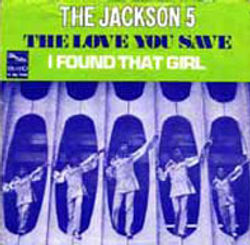
#1970
"The Love You Save"
The Jackson 5
1970

#1969
"No Woman"
Whitney
2016

#1968
"Hideaway"
Kiesza
2014

#1967
"Paparazzi"
Lady Gaga
2009

#1966
"Let's Hear It for the Boy"
Deniece Williams
1984
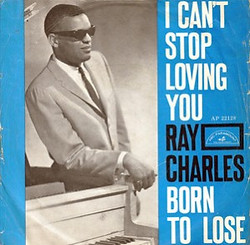
#1965
"I Can't Stop Loving You"
Ray Charles
1962

#1964
"Set Fire to the Rain"
Adele
2011

#1963
"What Would You Say"
Dave Matthews Band
1994

#1962
"Falling"
HAIM
2013
![Sia The Greatest [This Is Acting (deluxe)].png](https://static.wixstatic.com/media/07888e_fd01c83d9e944457b0ee61152229bed9~mv2.png/v1/fill/w_250,h_245,al_c,q_85,usm_0.66_1.00_0.01,enc_avif,quality_auto/Sia%20The%20Greatest%20%5BThis%20Is%20Acting%20(deluxe)%5D.png)
#1961
"The Greatest"
Sia feat. Kendrick Lamar
2016
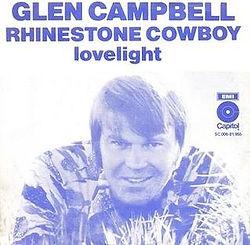
#1960
"Rhinestone Cowboy"
Glen Campbell
1975
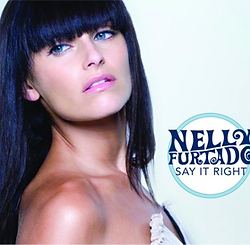
#1959
"Say It Right"
Nelly Furtado
2006
![Rachel Chinouriri Never Need Me [host album].jpg](https://static.wixstatic.com/media/07888e_4b7397424ecd40e8b5cfe2281b263011~mv2.jpg/v1/fill/w_250,h_245,al_c,q_80,usm_0.66_1.00_0.01,enc_avif,quality_auto/Rachel%20Chinouriri%20Never%20Need%20Me%20%5Bhost%20album%5D.jpg)
#1958
"Never Need Me"
Rachel Chinouriri
2024
![Iggy Azalea ft. Charli XCX Fancy [The New Classic].png](https://static.wixstatic.com/media/07888e_e30f4d5bb9514377a375e7c92adbbf11~mv2.png/v1/fill/w_250,h_245,al_c,q_85,usm_0.66_1.00_0.01,enc_avif,quality_auto/Iggy%20Azalea%20ft_%20Charli%20XCX%20Fancy%20%5BThe%20New%20Classic%5D.png)
#1957
"Fancy"
Iggy Azalea feat. Charli XCX
2014
.jpg)
#1956
"P.Y.T. (Pretty Young Thing)"
Michael Jackson
1983

#1955
"Love Lockdown"
Kanye West
2008

#1954
"Send Me an Angel"
Real Life
1989

#1953
"Change the World"
Eric Clapton
1996
.jpg)
#1952
"If I Had a Hammer"
Peter, Paul and Mary
1962

#1951
"Ramblin' Man"
The Allman Brothers Band
1973

#1950
"7 Days"
Craig David
2000
![Frank Ocean Nights [Blonde].jpg](https://static.wixstatic.com/media/07888e_29538efa7478464dbbd69af2d3a522ff~mv2.jpg/v1/fill/w_250,h_245,al_c,q_80,usm_0.66_1.00_0.01,enc_avif,quality_auto/Frank%20Ocean%20Nights%20%5BBlonde%5D.jpg)
#1949
"Nights"
Frank Ocean
2016

#1948
"Bitch"
Meredith Brooks
1997
.jpg)
#1947
"namesake"
Noname
2023
#1946
"Honey"
Mariah Carey
1997

#1945
"Moves Like Jagger"
Maroon 5 feat. Christina Aguilera
2011

#1944
"7 Rings"
Ariana Grande
2019
.jpg)
#1943
"You Make Me Feel (Mighty Real)"
Sylvester
1978
#1942
"Con Altura"
Rosalía & J Balvin ft. El Guincho
2019
.png)
#1941
"Cold Heart (Pnau Remix)"
Elton John & Dua Lipa
2021

#1940
"He Thinks He'll Keep Her"
Mary Chapin Carpenter
1994
![Future Metro Boomin Kendrick Lamar Like That [We Don't Trust You].png](https://static.wixstatic.com/media/07888e_dfd541ac753742ae882b8e27d969da87~mv2.png/v1/fill/w_250,h_245,al_c,q_85,usm_0.66_1.00_0.01,enc_avif,quality_auto/Future%20Metro%20Boomin%20Kendrick%20Lamar%20Like%20That%20%5BWe%20Don't%20Trust%20You%5D.png)
#1939
"Like That"
Future, Metro Boomin & Kendrick Lamar
2024

#1938
"Hello Mary Lou"
Ricky Nelson
1961
![Charli XCX Boom Clap [Sucker].png](https://static.wixstatic.com/media/07888e_2021046418a145deb33599ec0f716233~mv2.png/v1/fill/w_250,h_245,al_c,q_85,usm_0.66_1.00_0.01,enc_avif,quality_auto/Charli%20XCX%20Boom%20Clap%20%5BSucker%5D.png)
#1937
"Boom Clap"
Charli XCX
2014

#1936
"In Your Eyes"
The Weeknd
2020
#1935
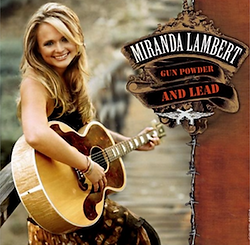
"Gunpowder and Lead"
Miranda Lambert
2008
#1934
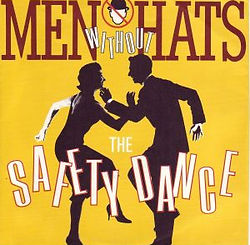
"The Safety Dance"
Men Without Hats
1982

#1933
"Rikki Don't Lose That Number"
Steely Dan
1974
![Soccer Mommy circle the drain [stock photo].jpg](https://static.wixstatic.com/media/07888e_98862e9c59064a7795b0cf92adbc36a8~mv2.jpg/v1/fill/w_250,h_245,al_c,q_80,usm_0.66_1.00_0.01,enc_avif,quality_auto/Soccer%20Mommy%20circle%20the%20drain%20%5Bstock%20photo%5D.jpg)
#1932
"circle the drain"
Soccer Mommy
2020

#1931
"The New Pollution"
Beck
1996
.png)
#1930
"Mr. Sandman"
The Chordettes
1955

#1929
"Zombie"
The Cranberries
1994

#1928
"Lucid Dreams"
Juice WRLD
2018
.jpg)
#1927
"One Dance"
Drake feat. Wizkid and Kyla
2016
![DaBaby ft. Roddy Ricch Rockstar [Blame It on Baby].png](https://static.wixstatic.com/media/07888e_f95b63e37eb04b879feece1a3045a5b5~mv2.png/v1/fill/w_250,h_245,al_c,q_85,usm_0.66_1.00_0.01,enc_avif,quality_auto/DaBaby%20ft_%20Roddy%20Ricch%20Rockstar%20%5BBlame%20It%20on%20Baby%5D.png)
#1926
"Rockstar"
DaBaby feat. Roddy Ricch
2020
.jpg)
#1925
"I'm Sorry"
Brenda Lee
1960

#1924
"Don't Go Breaking My Heart"
Elton John & Kiki Dee
1976
![Taylor Swift Would've, Could've, Should've [Midnights].png](https://static.wixstatic.com/media/07888e_2ce4094d3b8e4873afba7cb58d3c14ea~mv2.png/v1/fill/w_250,h_245,al_c,q_85,usm_0.66_1.00_0.01,enc_avif,quality_auto/Taylor%20Swift%20Would've%2C%20Could've%2C%20Should've%20%5BMidnights%5D.png)
#1923
"Would've, Could've, Should've"
Taylor Swift
2022

#1922
"Lights Up"
Harry Styles
2019
.jpg)
#1921
"Drops of Jupiter (Tell Me)"
Train
2001

#1920
"Celebration"
Kool & the Gang
1980

#1919
"Cheap Thrills"
Sia feat. Sean Paul
2016

#1918
"You Ain't Seen Nothing Yet"
Bachman-Turner Overdrive
1974

#1917
"Blue"
LeAnn Rimes
1996

#1916
"Just the Way You Are"
Bruno Mars
2010

#1915
"Dancing with a Stranger"
Sam Smith & Normani
2019

#1914
"Summertime"
DJ Jazzy Jeff & The Fresh Prince
1991
#1913
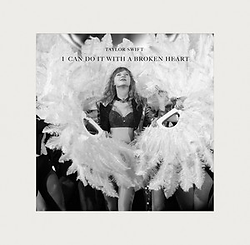
"I Can Do It with a Broken Heart"
Taylor Swift
2024

#1912
"Fidelity"
Regina Spektor
2006
![Petula Clark Downtown [Downtown].jpg](https://static.wixstatic.com/media/07888e_8ebe8630fe564abbbf76f9a31a4f79d5~mv2.jpg/v1/crop/x_0,y_3,w_316,h_310/fill/w_250,h_245,al_c,q_80,usm_0.66_1.00_0.01,enc_avif,quality_auto/Petula%20Clark%20Downtown%20%5BDowntown%5D.jpg)
#1911
"Downtown"
Petula Clark
1965
#1910
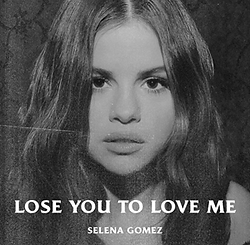
"Lose You to Love Me"
Selena Gomez
2019

#1909
"Cruel Summer"
Bananarama
1983
![Indigo Girls Closer to Fine [Indigo Girls].png](https://static.wixstatic.com/media/07888e_388c3abd46e94c06bb59c2a549032934~mv2.png/v1/crop/x_0,y_3,w_300,h_294/fill/w_250,h_245,al_c,q_85,usm_0.66_1.00_0.01,enc_avif,quality_auto/Indigo%20Girls%20Closer%20to%20Fine%20%5BIndigo%20Girls%5D.png)
#1908
"Closer to Fine"
Indigo Girls
1989

#1907
"Big Girls Don't Cry (Personal)"
Fergie
2007

#1906
"Jealous Guy"
John Lennon
1971

#1905
"Got Your Money"
Ol' Dirty Bastard feat. Kelis
1999

#1904
"Always Something There to
Remind Me"
Naked Eyes
1982

#1903
"Secret"
Madonna
1994
![Geordie Greep Holy, Holy [The New Sound].jpg](https://static.wixstatic.com/media/07888e_f0ef29a75b2d43899a9491f1a2f597ae~mv2.jpg/v1/crop/x_0,y_3,w_296,h_290/fill/w_250,h_245,al_c,q_80,usm_0.66_1.00_0.01,enc_avif,quality_auto/Geordie%20Greep%20Holy%2C%20Holy%20%5BThe%20New%20Sound%5D.jpg)
#1902
"Holy, Holy"
Geordie Greep
2024

#1901
"Bawitdaba"
Kid Rock
1999

2025 Entry (#1988)
"Daisies"
Justin Bieber
2025
![Turnstile Never Enough [Full Force Concert photo].jpg](https://static.wixstatic.com/media/07888e_6f055b3a19c64806ab86d988979471cc~mv2.jpg/v1/crop/x_153,y_0,w_653,h_640/fill/w_250,h_245,al_c,q_80,usm_0.66_1.00_0.01,enc_avif,quality_auto/Turnstile%20Never%20Enough%20%5BFull%20Force%20Concert%20photo%5D.jpg)
2025 Entry (#1957)
"Never Enough"
Turnstile
2025
![Nourished by Time Max Potential [The Passionate Ones].jpg](https://static.wixstatic.com/media/07888e_baf1f89a1b6643e79306ca8fb259d289~mv2.jpg/v1/crop/x_0,y_3,w_316,h_310/fill/w_250,h_245,al_c,q_80,usm_0.66_1.00_0.01,enc_avif,quality_auto/Nourished%20by%20Time%20Max%20Potential%20%5BThe%20Passionate%20Ones%5D.jpg)
2025 Entry (#1926)
"Max Potential"
Nourished by Time
2025
“Learning to Fly” is an exercise in fierce economy: Although its acoustic guitars are heavily layered, it only features four chords throughout all verses, the chorus, and the bridge. The guitar parts pair well with Petty’s simple yet effective lyrics, which also have a simple source: Petty pulled a key line from a pilot being interviewed on TV. Learning to fly is easy, the pilot explained; coming down is the difficult thing. That turns out to be a perfect basis for a song that conveys a tactful self-acceptance and a glistening, redemptive notion that there’s always something beyond whatever might try to beat you down.
--Charles Goodson, site author
Don’t be fooled by the trendy hashtag in the title, because “#Beautiful” is a killer latter-day Carey single that sounds nothing like her peak-period hits. The production is grungy in a way that 90s Mariah would never have countenanced—all twanging guitar and distorted breakbeats—and the feel owes something to the mid-60s. Miguel’s guest vocal is great, and there’s an infectiously breezy, carefree air to the whole thing. Mariah’s eruption of harmonies in the second verse shifts the song from the realm of the deeply satisfying to that of the unexpectedly thrilling. --Alexis Petridis (The Guardian)
& Tim Finney (Pitchfork)
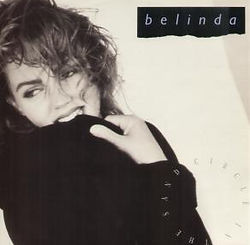
When Belinda Carlisle left the Go-Go’s to pursue a solo career, she took some criticism from stodgy rock pundits, who complained that slick pop/rock records like “Heaven Is a Place on Earth” lacked the bite of the new-wave punk output of the Go-Go’s. Whether you agree with that or not, the track “Circle in the Sand” is indeed a lost gem, deserving to be repeatedly rescued from music’s bargain bin. Its haunting guitars swirl and shimmer, its bassline thumps, and Carlisle’s plaintive vocals echo a simple declaration of love. All this evokes The Shangri-Las of the mid-60’s, as we imagine heading out to the beach in summer. --Charles Goodson, site author
The launch single from her album Joanne is actually the most traditional Gaga song on the album, which is otherwise country-inflected. But it’s also deceptively unique: Gaga recruited a supergroup of producers—Mark Ronson, Kevin Parker, and BloodPop—to resurrect Eighties power pop combined with harder, slyer rock. Messy in the best way, the muscular song is really elevated by its music video, which was shot in the desert and shows Gaga physically contorting herself in a mesmerizing way. Lady Gaga the Rocker was born. --Charles Goodson, site author
Awash in ‘80s synth pop—much like the best songs in his cache—and produced by pop maestro Max Martin, this standalone single from The Weeknd glistens and glides. The wiggling keyboard hook is irresistible and, as typical for the apocalypse-obsessed Abel Tesfaye, offers a divergent mood from his sweetly crooned lyrics equating romance with risk-taking, crashing—and true to his darkly poetic heart—dying (“My love’s beyond the pain/But if I miss the brake, we’re dancin’ in the flames”). That’s dedication.
--Melissa Ruggieri (USA Today)
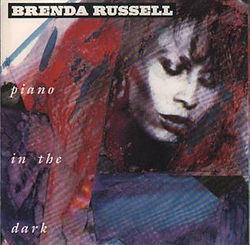
A Brooklyn-born artist who has been singing and composing since she was a child, Brenda Russell swims in the unconventional — her career, her marriage, and the songs she writes, particularly her hit single “Piano in the Dark.” Believing that in very possible title there’s a meaningful song somewhere, Russell kept a notebook with interesting overheard phrases that might make for good song titles. Thus was born this moody, mature, literate ballad about a troubled relationship in which a woman wants to leave her lover but his seductive piano playing pulls her right back in.
--Charles Goodson, site author
It wasn’t exactly the sparkling commercial-ready pop trifle that toothpaste marketing executives were hoping for; Lily's got nice teeth, but they probably need flossing. And that's the angle: ambling exterior, cutting core. Even when succumbing to cliché, she'll go out of her way to flip it just a bit, in lines like
"I found a light in the tunnel at the end."
Given her sudden stardom, her smile gets even bolder: Revenge in a diary—or on a MySpace page—is one thing, but revenge from atop the pop charts is another. Feel for the poor sap being kissed off: He thought he was fucking around on some rich girl who wore silly dresses and sneakers, and then he got burnt by Lily Allen.
--Ryan Dombal (Pitchfork)
Oh, it’s the oldest story! Girl meets industry blogger boy; industry blogger professes admiration until her somewhat off-key performance at the Grammys causes him to spontaneously declare girl’s career completely over; girl writes song pushing back on that, landing a triple-platinum single with her response. And she does it with a pointed return to country music, singing in a childlike tone that made her sound like a little hillbilly David, taking on an influencer Goliath.
Her rebuke is done with wit, and the song became an anti-bullying anthem for the masses. --Chris Willman (Variety)
As light and fluffy as the cotton candy clouds of the Teenage Dream artwork, "California Gurls" is summer personified. It’s certainly Perry’s best and most successful collaboration with a rapper ever; Uncle Snoop’s smooth
ad libs and suave-silly verse (“Bikinis, zucchinis, martinis”) are a perfect match for Perry’s party-girl euphoria. The chorus, especially, is pop dynamite—totally undeniable. You might say "California Gurls" is fine, fresh, fierce… they got it on lock.
--Karen Gwee (NME)
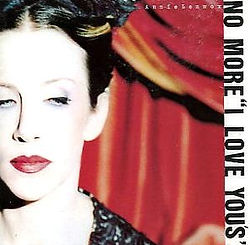
The original “No More ‘I Love You’s’,” by the ultra-obscure British pop band The Lover Speaks, is an affected and somewhat-barren 1986 song. Lennox’s version is less calculated and more poignant, with a vocal that goes from airy to ravishing to heartbreaking. It’s the interplay between Lennox’s superb sophistication and the delightfully strange intermezzo of playful talking and laughing that makes it so irresistibly unique. Lennox had quite cleverly adjusted the song to fit her own style: abstract, poetic, and wonderfully bizarre. --Charles Goodson, site author
Two retro fetishists converged when Brandon Flowers and producer Stuart Price united to capture the glory of the ’80s on The Killers’s third album Day & Age. Its lead single, “Human,” is the closest Price gets to reprising his fantastic remix of “Mr. Brightside.” The lyrics were inspired by a quote by the late Hunter S. Thompson, lamenting the softness of America’s youth, but the music brings a certain magic dust to a catchy nonsensical philosophical pondering (“Are we human, or are we dancer?”). While it’s a mild social statement coming from Flowers, the song’s hook is as strapping as anything the band had written to date. --Sal Cinquemani (Slant)
“Last Last” is the perfect fusion of Afrobeats and American R&B. The track samples Toni Braxton’s hit “He Wasn’t Man Enough” but, instead of resting on classic instrumentation, Burna Boy upgrades the track, bringing his own style and flair. The African Giant’s deep voice floats over the beat, hypnotizing listeners into dancing. Burna Boy undoubtedly played a large role in putting the afrobeats movement on a global scale. With this undeniable summer anthem, he not only captured the essence of a subgenre, he also captured the heat and carefree energy of an entire season. --Jessica McKinney (Complex)
From Tanita Tikaram’s debut album Ancient Heart, this single stands as one of the most under-appreciated songs of the 1980s.
With this track Tikaram has created a wistful and melancholy piece of striking honesty and novelty—mature beyond her 19 years at the time. “Sobriety” is a lithe and unadorned torch song that managed to get some notice from its striking music video. Speaking about the enigmatic lyrics, Tikaram offered that the song deals with the peculiar relationship with the world that one feels upon first entering adulthood. --Charles Goodson, site author
The midtempo relationship lament “Talk” demonstrated that sophomore LP Free Spirit would showcase a more grown-sounding Khalid. Aided by the electro-R&B stylings of dance duo Disclosure, this Top-10 hit is smooth and slow. Khalid’s approach couldn’t be more sensitive — “Can’t we just talk / Figure out where we’re going?” — as synthesizer chords tiptoe forward ever so tentatively, even as the tryst proceeds. The blending of Disclosure’s sparkling synths with Khalid’s velvety voice makes for a compelling combination, and even after several spins, it leaves you wanting more.
--Denise Warner (Billboard) & Jon Pareles (The New York Times)
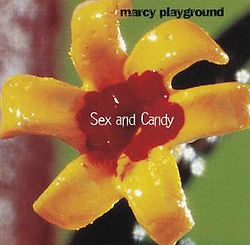
“Sex and Candy”, like its title, combines a couple of unexpected bedfellows, specifically the low-slung guitar and atmospherics of grunge and some serious hippie vibes (“yeah, mama,” “dig it”). The song was reportedly inspired by a comment about the post-coital smell in singer John Wozniak’s room, and his hitch-stepped guitar adds a dose of mystery immediately undercut by phrases such as “double cherry pie,” “platform double-suede,” and “disco lemonade.” Marcy Playground’s ping-ponging fusion of folk warmth, psychedelia, alternative, and clean rock meant it was difficult to pin down exactly who they were or where they were going.
--Lior Phillips (Consequence) & Gil Kaufman (Billboard)
It’s possible that there’s never been a St. Vincent song as propulsive as “Los Ageless,” which grooves to a gleaming stainless-steel beat, with Annie Clark’s electric guitar purring on top. It’s a pop song so perfect—so sleek and so addictive in its new-wave pulse—that it only makes sense that Jack Antonoff served as producer. He brings a formal control to the track, but it never blocks out the roiling desire buried just below the surface. A multi-tracked vocal refrain comes in after each slinky verse, playing the role of the Greek chorus: “How could anybody have you and lose you/And not lose their minds too?” --Josh Hurst (Slant)
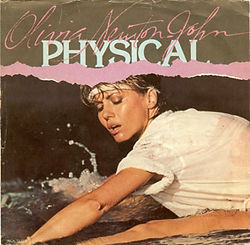
“There’s nothing left to say unless it’s horizontally” — no other pop song has ever managed to make a five-syllable adverb sound so explicitly libidinous. The half-Skinemax, half-Jane Fonda smash single and video updated the ultimate girl-next-door of the ‘70s, Olivia Newton-John, for the raunchier MTV years. “Physical” was a song about having sex, not working out. But through the magic of music video, Newton-John figured out how to transform it into a song about having sex and working out, and she turned it into a juggernaut.
--Billboard & Tom Breihan (Stereogum)
A great song doesn’t even have to finish its thought for you to know exactly what it’s talking about. What with its blunt yet beautiful yearning, Usher’s soulful, sexy “You make me wanna…” was a hymn to a hungry man, trying to contain his passion for someone else (knowing full well he’s already in a relationship). Guilt-ridden and ever so arousing, Usher’s fresh voice left the ears of many eager listeners rapt and ready for more. Oh, the drama! The hot, sweaty humanity!
But Usher sells the minimalist R&B hit with a nervous energy not dissimilar to how we feel when we’re ready to embark on a new relationship. --Blake Goble (Consequence)
One of the last great lionhearted The Who anthems, "Who Are You" summed up Pete Townshend's disillusion with where rock had gone during the late Seventies and his desire to find authenticity amid the malaise. He wrote it after a contentious business meeting about unpaid royalties had devolved into a drunken spree, during which Townshend ran into two members of the Sex Pistols in a club. The incident planted the seed for a high-powered song that Townshend called "an encyclopedia for up-and-coming groups about how not to get caught." --Rolling Stone
The first transcendent moment of Björk’s solo career comes 22 seconds into the song:
a keening cry pitched between lament and yodel, like a glitch in a Celtic funeral song. Acting as the opener for her first album Debut, the track incorporates the driving, militaristic riff from “Go Down Dying” by Ray Brown Orchestra. It’s the perfect introduction to Björk’s experimental canon, with her voice invoking both conservatoire virtuosity and “yokel” moxie. Inspired by David Attenborough’s nature documentaries, the song takes a unique observational approach to the oddness of humanity from an animal perspective. --Jazz Monroe (Pitchfork)
& Aimee Ferrier (Far Out)
Not to be confused with the very similarly titled Beatles hit from 1964, Richard Marx’s “Should’ve Known Better” was a slick, radio-ready single that emphasized guitar riffs and power chords. Nevertheless, these two sparkling guitar pop hits share more than a passing titular resemblance, as both display almost impeccable song structure and an impressive mastery of simple melody. A gifted balladeer who could also rock, Marx may not have been edgy or creative enough to keep his detractors at bay, but he certainly had a talent for creating polished mainstream rock of the highest order and optimizing his artistic strengths. --Charles Goodson, site author
The Delfonics’ "La-La (Means I Love You)" didn't sound like anything else on the charts in 1968, when the Memphis sound and Southern soul were at their pinnacle. The backbeat was replaced by a simple snare hit on the downbeat of every bar, the bass is mixed in the far back, the strings are prominent, the guitar is minimal, and there's no piano or organ at all. But the weightless three-part harmonies are pure sonic cotton candy. Though it predates the Philly sound by almost five years, this song is arguably the Rosetta Stone of the style.
--Stewart Mason (AllMusic)
This coming-of-age ballad about summer romance on a farm was a hit in 1996, but over time it’s evolved into a country standard, your go-to karaoke song where you cringe during the line “I still remember when 30 was old.” Co-written by Matraca Berg and Gary Harrison, the song was named after the wine cooler Boone’s Farm Strawberry Hill. Deana Carter’s sweet, lilting twang perfectly married with the cinematic lyrics about a girl experiencing a sexual awakening and the woman who looks back at the time with bittersweet memories.
--Angie Martoccio (Rolling Stone)
& Melinda Newman (Billboard)
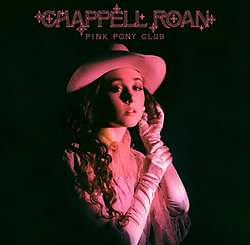
Originally released as a single in April 2020 but failed to gain traction until several years later, “Pink Pony Club” has become more significant with each passing stage: from opening on Olivia Rodrigo’s tour, to dominating major festival slots, to turning her SNL performance into a singalong, to a rousing rendition at the 2025 Grammy Awards. It’s an ecstatic dance-pop anthem from Missouri native Chappell Roan—one that sincerely celebrates queer culture, acceptance, and chasing one’s dreams. It’s the sort of song that manages to make you smile, cry, dance, and shout all at once.
--Charles Goodson, site author
Upon first listen, this punk-pop cheerleader tribute to girls' inhumanity toward other girls might alienate certain listeners put off by its entitlement or borderline soullessness (not to mention that Lavigne herself wasn’t really a boy-cruiser). But in refashioning Toni Basil's "Mickey" as a mall anthem, Lavigne bounces her trademark brattiness away from rocker posing and over the top of bubblegum mountain. It turns out a rambunctious, cynical Avril is a lot more infectious; maybe she should've ditched the sincerity years earlier.
--Jesse Hassenger (PopMatters)
Essentially a rousing gospel-style rally song with pop ballad lyrics, "Power of Love" is a dynamic joy with the sort of sensual sophistication that is the hallmark of Vandross’s best work. Recorded at a time when harder-edged R&B already dominated the airwaves, this song maybe isn’t quiet enough to be the “quiet storm” of Smokey Robinson or Al Green, but it’s a worthy generational successor. And while a lesser performer might be overcome by the production or the choir-sized backing vocals, Vandross’s strong, assured voice owns every moment. --Richard Gilliam (AllMusic)
Released just before coronavirus became a global mainstay in 2020, you might have had a brief chance to shake your ass at a club to “Physical” before being sequestered in your home for the remainder of the year. Taking inspiration from the 80s and Flashdance, “Physical” lies somewhere between Olivia Newton-John’s song of the same name and Bonnie Tyler’s “Holding Out for a Hero.” Lipa even nods to the OG “Physical” at the end of each chorus, chanting “Come on / Let’s get physical” between verses underpinned by dark disco beats and her velvet tones.
--Dominic Cadogan (Dazed)
For many bands, the notion of being a one-hit wonder carries a negative connotation. But others, like the British rockers Chumbawumba, can wear the phrase like a championship belt. “Tubthumping,” is a big, dumb, fun drinking song, celebrating the emboldenment you feel while getting hammered but also affixing drunkenness with a melancholic glow, the shout-along chorus getting cut through by a whimpering trumpet solo. The band also gives the song a second context, naming it after a colloquial word for progressive political fighting, allowing its chorus to be read as a chant of encouragement.
--Jordan Sargent (SPIN)
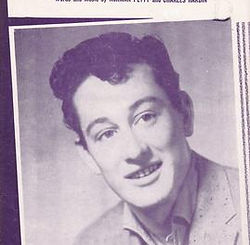
Buddy Holly's material, at its most sentimental, sometimes projects a cutesy child-like romanticism. "Everyday" is perhaps the daintiest of such endeavors, Holly anticipating romance with all the open-hearted guile of a kid trying to sneak a peek at the Christmas gifts. And to be honest, the arrangement for "Everyday" sounds a little like a Christmas song, carried primarily by the bell-like tones of the celesta and the percussive slapping of knees. Holly's trademark hiccupping vocal style gets a workout on the verses, which swoop and swerve like the rollercoaster of love he describes in his lyrics.
--Richie Unterberger (AllMusic)
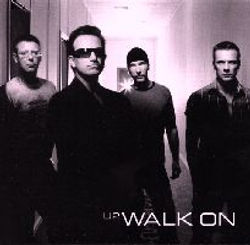
“Walk On” is one of U2’s grand statements—a therapeutic anthem for peace in the wake of 9/11. It was inspired by Burmese dissident Aung San Suu Kyi, who had then been under house arrest for over a decade — but it is such a deeply moving song that, selfishly, you just want it to yourself. There is a moment in “Walk On” that you might not even hear; you probably just feel it: After the last chorus, Edge’s guitar roars into the mix, and there are three small keyboard chords that will either uplift you or shatter your heart to bits. Or both. --Caryn Rose (Vulture)
"The Love You Save" has many of the same elements used on The Jackson 5’s other hits: top L.A. session musicians, the super-charged youthful energy of the brothers, the interplay between Michael and Jermaine, and Tito's
kid-bass voice. The formula was foolproof.
The lyrics of the song were a play on words of the traffic-safety slogan "the life you save may be your own." Transformed into an admonishment of "fast girl" behavior, the song shares an opening similar in form to the Supremes' "Stop in the Name of Love," but this “Stop!” halts listeners in their tracks like the searing siren of a full-throttle ambulance.
--Ed Hogan (AllMusic)
The six-piece band Whitney wrings beauty out of a tried-and-tested formula: softly strummed guitars, warm horns, and wounded vocals.
The lyrics don’t break new ground either. “I left drinking on the city train / To spend some time on the road,” sings Julian Ehrlich in something approximating a falsetto. Some people have fairly pointed out that neither the song nor the band is particularly transgressive.
But sometimes the warm, familiar comfort of an indie folk-rock song can be just as much of a punch in the gut.
--Rawiya Kameir (The Fader)
Kiesza can’t control her love, and it’s exhilarating to hear her get lost in it. Chances are, you saw the “Hideaway” video before you’d even heard of Kiesza, a smartly-coiffed Canadian singer with the heart and soul of a ’90s house diva. On the tail ends of an up-tempo bassline, she finds the perfect EDM nook to nestle in her oohs and ahhs. Her high-pitch melodies trickle over the beat like she's some alluring house-music nymph. Laced with the perfect breakdowns for busting out dance routines full of '90s body rolls, the track makes ignoring all the signs of a love disaster and grabbing bae to dash to a quick “hideaway” sound like a good decision. --Lakin Starling (Complex) & Brennan Carley (SPIN)
In proving that “Just Dance” and “Poker Face” were no flukes, Lady Gaga unleashed “Paparazzi” as the third single from her debut album The Fame. More than that, it felt like her proper arrival, highlighting a different side to Gaga’s artistry, complete with a sense of vulnerability and yearning (but no less dance-y at that). It’s an early instance of Gaga’s preoccupation with being famous, and it’s the most consistent example of The Fame’s central conceit: we’re all guilty intruders into celebrity culture.
--Charles Goodson, site author
The origins of the hit soundtrack song "Let's Hear It for the Boy" were found in inept dancing. Songwriters Tom Snow and Dean Pitchford were viewing scenes from an upcoming movie titled Footloose when they homed in on the scene where Kevin Bacon tries to teach Christopher Penn how to dance. The duo decided to write a song that was based around an underdog scenario which was a part of the movie's story line. The two pitched the song to producer George Duke and singer Deniece Williams, who immediately liked the song and ultimately recorded the soundtrack’s most effervescent hit.
--Ed Hogan (AllMusic)
Ray Charles never strayed away from orchestration, but “I Can’t Stop Loving You” is the epitome of what Charles does best. Where orchestration usually matches the romance of a song’s lyrics, here it feels wildly at odds with their sadness. The melodic pining of Don Gibson’s original is replaced here with a man distraught, set against a loud, plaintive, angelic choir. The song’s combination of grandeur and sadness gives it the feeling of listening to the final radio broadcast at the end of the world. Astonishing.
--David Levesley (British GQ)
If you’re looking for Drama with a capital D, then “Set Fire to the Rain” is the song to turn to in the singer-songwriter’s vast catalogue of dramatic turns. Not many people could pull off a Celine Dion-sized power-ballad in the 2010s, but if this song is anything to go by, Adele certainly can. Ramping up the jealousy and paranoia to maximalist levels, "Set Fire to the Rain" surrounds Adele with a tornado of drums, pianos, and strings that almost engulf her completely. That’s until her powerhouse voice reaches its apex during the belted-out chorus.
--Tyler Golsen & Jamie Kahn (Far Out)
It was the first pseudo-hit for Dave Matthews Band and transitioned them from regional favorite into an international success. Promoted by a garish, attention-getting video, the song’s lyrics are an exercise in metaphysical fatalism: Images of a monkey on a string and a dying bear eating its head are at odds with the mostly upbeat melody and Matthews’s almost whimsical vocals. The odd combination of disparate elements connected with a broad audience. Featuring John Popper of Blues Traveler on harmonica, the song introduced the music world to DMB’s unique blend of rock, jazz, pop, and folk.
--Richard Gilliam (AllMusic) & Janey Roberts (Classic Rock History)
Depending on the landing, one can find beauty in failure. “You live, you learn,” as Alanis Morissette once sang back in the ’90s, and that lesson is not lost on the HAIM sisters. With “Falling”, the three California sisters find substance in survival, while also tossing in a new motto: “Never look back, never give up.” It’s timeless stuff, sure, and they back those words up with an empowering and decadent tapestry of influences—Miami Sound Machine, Phil Collins, Fleetwood Mac, and Michael Jackson. It’s emblematic of HAIM’s knack to buck any genre label, but also a poetic parallel to the song’s theme of forging ahead with what you’ve learned.
--Michael Roffman (Consequence)
Making pop music about a specific tragedy is necessarily a tricky job. But Sia’s “The Greatest” is a very potent work of art, not charity. While Sia has never confirmed this, many believe that the song and its video are strongly connected to the June 2016 massacre of 49 people at the Pulse nightclub in Orlando. There’s no break here from the rest of Sia’s catalogue about pain and release in everyday life: You witness stark emotional peaks and valleys, a danceable backing of explosive drums, toy-box melodies, and reggae grooves. All at once, it’s striking, beautiful, and ineffably poignant. --Spencer Kornhaber (The Atlantic)
Though it would prove to be a country smash, “Rhinestone Cowboy” didn’t really sound like a country song. Instead, it was a grand, symphonic pop stomper, full of strings, pianos, and big, resonant drums. Campbell didn’t even have much twang in his voice, but he delivers it with assertive tough-guy rumble and tremendous chest-out brio. The song is a total fantasy — a down-on-his-luck musician envisioning a world where he’s getting fanmail and receiving offers over the phone. On paper, it’s not an upbeat song, but Campbell sells it as a dream that he knows will come true.
--Tom Breihan (Stereogum)
The thunderous beats near the start of “Say It Right” signal that Furtado and producer Timbaland have concocted a certified bop. The groove builds from booming hip-hop percussion and Furtado’s ghostly, multi-tracked vocals, creating an otherworldly cavernous effect. The song is a collection of lyrical oddities, with Furtado herself stating in an interview that the dark meditative song is about “visceral abandon.” In that case, its impassioned inner dialogue is a call to embrace personal freedom, whether you’re enjoying it as a driving song, a karaoke favorite, or a dance club classic.
--Charles Goodson, site author
Britain’s big indie-rock hope, Rachel Chinouriri specializes in the diaristic and the dramatic, her sound pulling from Eighties New Wave, the sonic maximalism of peak Coldplay, and the London bravado of early Lily Allen. “Never Need Me” is an empowering and bittersweet kiss-off to a co-dependent lover that finds her oscillating between certainty and self-doubt. Keyboard synths and thrashing guitar bubble around her, but it’s when the production drops out almost entirely — leaving us alone with Chinouriri’s gauzy whisper of a voice — that the song reaches its zenith.
--Adam White (The Independent)
“I’m so fanc-ay!” In theory, it sounds ridiculous: a Dirty South throwdown by way of…Australia? But “Fancy” works, thanks to its ear-worming chorus and its music video that aped Clueless. Before this song, Aussie rapper Iggy Azalea was struggling to become a commercial force, and even here, her robotic, studied rapping brings nothing special to the table. Enter Charli XCX with one of the catchiest hooks in pop-rap, the kind that follows you around until it finally burrows itself deep in your conscience and surfaces whenever someone mentions “Tokyo.”
--Rolling Stone & Insanul Ahmed (Complex)
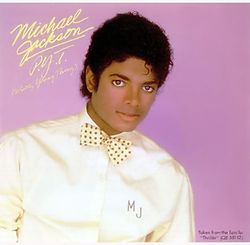
In the Thriller diaspora, “P.Y.T.” tends to get overlooked. The song peaked at No. 10, but by Thriller standards, that barely rates. Acolytes routinely cite it way down on any best-of Michael Jackson list, but “P.Y.T.” is probably the sweetest song on Thriller in both melody and attitude. Deceptively, it swings back toward the disco of Off The Wall; as with everything from that album, it’s hard to decide if you’d rather groove to it or lounge to it. Vocally, Jackson sounds so at ease with himself on “P.Y.T.” that it’s no surprise to learn he danced furiously as he recorded.
--Anthony Strain (Treble)
Created in the aftermath of Kanye losing his mother and the public dissolution of a relationship, “Love Lockdown” is the pulsing, bleeding focal point of the 808s & Heartbreak album. That beat stays the same, gliding evenly throughout the track even as it is attacked by bouts of forceful piano, handclaps, drums, and Kanye casually revolutionizing Autotune. Looking back years later, it holds up as one of the best Kanye songs of all time and shows how revolutionary it was, ushering in a new era of music, one that would reshape hip-hop forever.
--Donovan Barnett (HighSnobiety)
It’s the song that won’t die. Decades later, the angsty 80s anthem “Send Me an Angel” is still being endlessly covered, remixed, and piped through shopping-center speakers. For Australian band Real Life, the song might have remained just a fleeting success upon its first release in 1983, if not for a tighter and harder-hitting 1989 remix. Between its instantly recognizable synth hook and swooning chorus, crowned with sing-along harmonies and reliable urgency (“Send me an angel right now”), it’s a stone-cold earworm from the golden age of fist-pumping synth pop.
--Doug Wallen (The Guardian)
It may have seemed incongruous at first, but after the huge success of MTV Unplugged and “Tears in Heaven,” rock hero Eric Clapton realized his strength in acoustic, soulful folk-pop and cut this track with pop/soul maestro and noted producer Babyface. Working with a sweet, uplifting lyric and melody, Clapton brings a worldly acoustic-blues flavor to the table, while Babyface injects a splash of modern soul and pop gloss. Featured on the soundtrack to the John Travolta movie, Phenomenon, this electric single radiates of homespun honesty and artless grace.
--Billboard & Matthew Greenwald (AllMusic)
It was written in 1949 in support of the progressive movement and was first recorded by The Weavers, a folk-music quartet composed of Pete Seeger, Lee Hayes, Ronnie Gilbert, and Fred Hellerman. The song at first did not receive wide exposure outside of activist circles but fared notably better when it was recorded by Peter, Paul and Mary thirteen years later, cracking the Top 10 and winning a pair of Grammys. Theirs is a rousing reading of the folk tune which whirls along on strong vocal and roaring guitar work—accessible, earnest, influential, and tastefully political.
As the Allman Brothers' biggest hit, "Ramblin' Man" stands alongside Lynyrd Skynyrd's "Sweet Home Alabama" as one of the definitive Southern rock songs. It's an amiable, laid-back tune, falling halfway between blues-rock and country-rock, graced with wonderful guitar harmonies, evocative lyrics, and sweet melodic hooks. But they were clever enough to give the best hook not to the vocalist, but to the guitarists—the refrain that bookends the chorus is perhaps the catchiest and prettiest hook in all of Southern rock. Easy and friendly, it has all the allure of a breezy summer's day.
--Stephen Thomas Erlewine (AllMusic)
Like the God in the Old Testament, Craig David chills on a Sunday, but unlike God, he spends Monday and Tuesday concocting sex and spends the rest of the days until the sabbath having it. Fortunately, David relieves us of all the dirty-dawg thematics and instead devotes his immediate attention to a special lady. His signature of squeezing about 40 words into eight measures is here, but his vocals are drilled in the dexterity of the UK garage rave, and they coil around delicate acoustic guitar lines like two lovers in Eden. Pretty full week there, Craig. --Billboard
& Ben Beaumont-Thomas (The Guardian)
Frank Ocean's two-part odyssey "Nights" features a sudden transition that gives the listener a disorienting thrill. Warm, sparkling guitar riffs initially dominate the song, but these eventually give way to heavy synths, before a slower, psychedelic haze drenches the final minute of the song. In representing R&B’s evolving sound and a generation often dwelling in emo state, Ocean touches upon a veritable feast of modern, existential concerns: exploitation, the drive for pleasure, the monotony of life, the loss of innocence… He asks an ex, "Did you call me from a séance?"
--Callie Ahlgrim (Business Insider)
& Cherise Johnson (Uproxx)
By the late ’90s, we were coming off of the “riot grrrl” high, with feminism in music becoming more diluted as it trickled up, which makes “Bitch” a little too sunny for it to be totally believable. And yet, the song was immediately anthemic, if a little embarrassing, with Brooks declaring her right to contain multitudes… to a man, though. Its title was occasionally censored by Top 40 radio, which imbued it with a renegade cool that seems quaint in retrospect. Still, “Bitch” is so imbued into the cultural fabric it’s difficult not to appreciate. Preach, Brooks.
--Julianne Escobedo Shepherd (SPIN)
On “namesake,” Noname makes clear that revolution isn’t just a concept—it’s a perpetual practice. A fast, narrow beat touched with light drumming almost plays like it could run under a detective procedural, but Noname’s quick wordplay has an ensnaring focus: The crime and its solution are obvious. But to be serious about social change requires inward interrogation as well—in the song’s most stunning moment, Noname examines how she herself abandoned practice for profit. Her honesty explains the song’s lack of a fierce anger: Her ire may be sharp, but it is not without stern understanding.
--Rachel Saywitz (Paste)
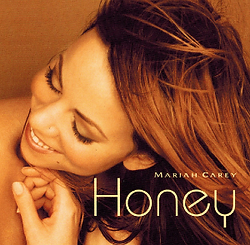
This co-production with Puff Daddy and Q-Tip was more notable for announcing Carey’s transformation from scrupulously managed pop balladeer to sexy and free-spirited R&B songstress than it was for its actual production, and it marked her personal and creative split from husband Tommy Mottola. Nonetheless, it’s a late ’90s R&B jam in which Mimi declares her independence with a distinctive staccato piano line, a classic rap sample, and a sinuous hook, elevated immensely by its iconic James Bond-like music video. --Entertainment Weekly
& Richard (Medium – Rants and Raves)
Now recognized as one of the biggest chart-toppers of all time, this Rolling Stones–referencing smash hit duet took the world by storm and had everyone dancing along to its vintage-sounding guitar and pulsating beat. The song’s success is due largely to Shellback and Benny Blanco’s production, which prepped it perfectly for the masses. But years later, what we remember most are the hypnotic pop-dance groove that just burns into the mind, the pairing of Adam Levine’s falsetto and Xtina’s belting vocals, and an inspired lyric that’s clever but ever so simple.
“I see it, I like it, I want it, I got it” — It’s the power anthem for all boss babes earning their own paper without assistance from anyone, especially not a love interest. Just in case anyone was wondering how Ari was doing without any man at the time, she made her upgraded mindset loud and clear on this bop. Plus, who can resist a trap-y twist on Rogers & Hammerstein tune “My Favorite Things”? The classic might have been made famous by Julie Andrews in The Sound of Music, but it was resurrected and revamped in true sultry and sassy Ari fashion.
--Gabrielle Pharms (Consequence)
The ultimate party anthem, "You Make Me Feel (Mighty Real)" celebrates life, the simple pleasures (kissing, hugging, dancing), and the world of the disco in an adrenaline-pumping dance song. Shooting-star sound effects, pulsing syncopated bass, and a looped reverse clapping percussion line, combined with Sylvester's falsetto vocals, make this song a timeless classic. It's sad that the creator of such a liberating and life-affirming song died so young, but at least the song he left behind is a tribute to the kind of joyous life Sylvester wants us to revel in.
--Liana Jonas (AllMusic)
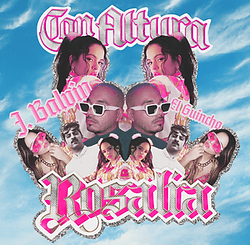
Alt-flamenco collides with the infectious energy of reggaeton and continent-stomping pop sensibilities on Rosalía’s standout 2019 hit “Con Altura”, featuring Colombian star
J Balvin. Translating to ‘with height’ but roughly to ‘do it hard’, “Con Altura” was one of the seismic markers for both Spanish language and Latin music dominating the late 2010s. Slaloming across Spanish producer El Gunicho’s syncopated beats, Rosalía and Balvin’s honeyed voices intertwine in a flashy, full-throttle tale of the high life: Live fast, die young in the delicious fug of this dembow-driven banger. --Anna Cafolla (Dazed)
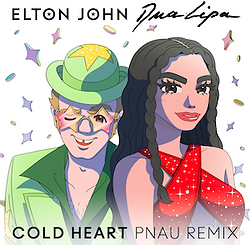
Taking four Elton John songs and mixing them together to create something new seems like a futile effort, but with “Cold Heart” everything just works. As Elton and Dua take turns interpolating John classics “Rocket Man” and “Sacrifice” and sampling the less-familiar John tracks “Kiss the Bride” and “Where’s the Shoorah?,” they bring a freshness to decades-old material. Dua Lipa’s voice sounds like butter as she croons the iconic chorus “And I think it’s gonna be a long, long time,” while the production from PNAU never goes over-the-top, only complementing John’s original visions. --Melinda Newman & Stephen Daw (Billboard)
Carpenter came to country music via oblique angles, blending country music instrumentation with strong folk, pop, and soft rock influences, including a willingness to dabble in more political and feminist themes, which was unusual for the popular country music of its period. The song paints a rollicking picture of a seemingly perfect family where the wife is slowly realizing just how little she wants anything in that picture, striking back against the “Stand By Your Man” image that the genre’s female artists had too often courted. But in a sobering moment on the song’s bridge, our newly liberated protagonist finds that not everything is coming up roses. It’s a contrast that could be bitter, but the jubilation of the chorus reminds us that it’s much better than being trapped. --Emily St. James (A.V. Club)
This was the hip-hop equivalent of the assassination of Archduke Ferdinand, as it kicked off a rap world war for the ages.
Everything about this song was theater: the hidden feature, the old-school sample, Kendrick coming out of nowhere. It’s a perfect storm of “what the fuck?” moments, all coming together at the right time, in the right sequence, and with the perfect delivery. Future sets the table for Metro to tease the West Coast boogeyman’s sneak attack, and then Kendrick’s fiery verse pushes the first red button, setting off the great rap war of 2024.
--Angel Diaz (Billboard) & Jordan Rose (Complex)
The opening hook is a novel and ingenious one for 1961: a cowbell, which carries much of the percussion throughout the song. The infectious, exuberant chorus is almost as much country as it is rockabilly and pop, doubled in effectiveness by Nelson harmonizing with himself via multi-track overdubbing. The part that really gets the rockabilly fans' blood pumping is the brief but crackling guitar solo, which rates as one of James Burton's finest moments. Instead of his usual reticence and reserve, Nelson sounds confident, joyful, and head-over-heels in love.
--Richie Unterberger (AllMusic)